- Environmental: Methane is more than 80 times more potent than carbon dioxide at trapping heat over a 20-year period.
- Health: Methane exposure can worsen respiratory conditions and cause asphyxiation resulting in loss of consciousness.
- Safety: Methane can lead to poisoning, fires, or explosions.
Tapping into the potential hidden underground
New technologies and enhanced policies target methane in forgotten coal mines.
By Jill Bunting, sustainability insights leader at Wells Fargo and David Szmigielski, executive director, corporate finance and advisory — sustainability and infrastructure at Wells Fargo, Corporate & Investment Banking
August 7, 2025
6-minute read
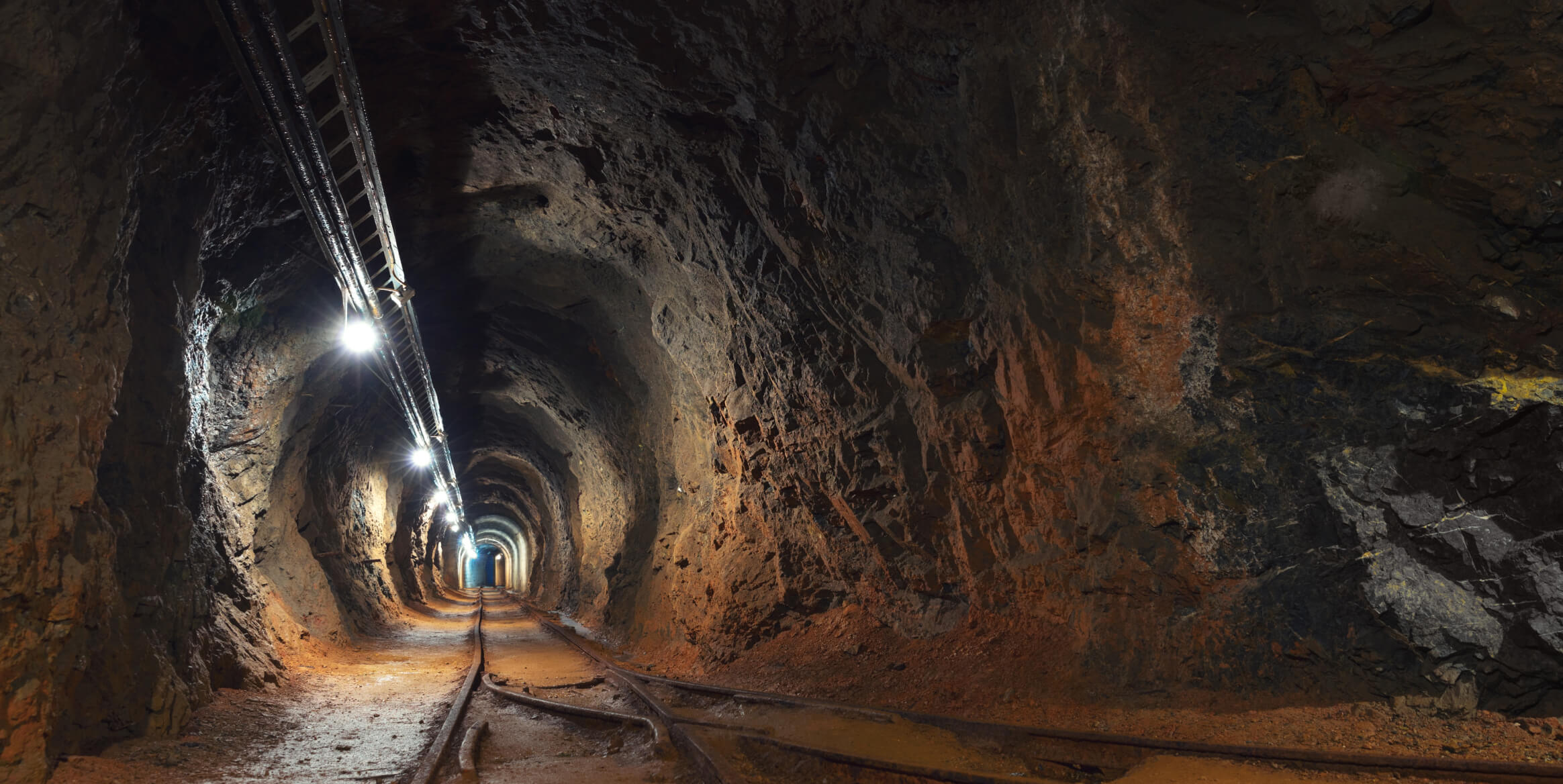
Abandoned underground coal mines, or AUMs — located up to 2,500 feet beneath the Earth’s surface — can be hard to find, but new technology is helping to locate them and capture the potentially hazardous gas they may still emit.
AUMs are scattered across the United States, from Appalachia to the Mountain West, with many located on private land and likely long forgotten by the companies that once operated them. Today, there is no comprehensive national inventory of abandoned mine features, although efforts to build one are underway.
The U.S. Department of the Interior reports that more than 47,000 AUMs have been closed. Still, the Environmental Protection Agency (EPA) has identified roughly 400 abandoned mines that are considered "gassy" — meaning that they can still emit significant amounts of methane, a colorless, odorless, and highly flammable gas.
Impacts of methane from abandoned coal mines
In 2019, coal mines were the fifth-largest methane-emitting sector, accounting for about eight percent of total U.S. methane emissions. Methane emissions from AUMs present a unique challenge. They often go unmonitored, and undetected leaks can persist for years — even decades — through vent pipes, fractured rocks, or mine shafts.
Technology and innovation can offer solutions
According to NASA, it can be relatively simple to measure the amount of methane in the atmosphere, but it’s more difficult to pinpoint where it’s coming from. However, new technologies are improving the ability to monitor, capture, and destroy methane from AUMs.
Remote sensing and monitoring technologies — including ground-based sensors, drones, and satellites — can facilitate more precise and cost-effective detection of methane leaks. Once identified, leaks can be fixed and, where relevant, systems can capture and combust the gas, converting methane into carbon dioxide and water vapor. This can improve operational efficiencies and reduce environmental impacts and safety risks.
Insight M, a company helping oil and gas operators pinpoint their emissions, uses airplanes equipped with proprietary technology to efficiently survey basins. Their team then processes the data and provides insights on emission events, locations, and field conditions to operators both in the U.S. and globally.
“In methane management one size doesn't fit all — what works for some operators in one basin likely won't work in others. The one constant we see is customers leveraging high frequency aerial surveys to effectively and cost-efficiently monitor their upstream and midstream assets. Leveraging mapping of the substrata, the ideal approach will blend aerial surveys with fixed sensors to enhance safety while searching for emissions.”
Carbon credits can create revenue incentives to support these projects, providing strategic investment opportunities once emissions are identified. The California Cap-and-Trade Program, administered by the California Air Resources Board (CARB), established an offset protocol covering methane capture at abandoned coal mines. This opened the door for AUM methane mitigation projects to issue California carbon offsets which, once verified, can be sold on the state’s carbon market.
Keyrock Energy is focused on methane destruction at coal mine sites in Alabama, Illinois, Indiana, Kentucky, Pennsylvania, Virginia, and West Virginia. The company primarily employs former coal miners who were reskilled to identify high-emission sites and manage methane destruction operations. The workers drill into methane-producing mined strata to capture, contain, and destroy methane emissions in a controlled manner through atmospheric oxidation, generating carbon credits issued by CARB.
“Many have heard of the proverbial ‘canary in the coal mine,’ but some do not realize the risk which fugitive methane emissions continue to pose to communities, workers, and the environment today. Our approach seeks to target these emissions from fissures and vent holes in mines to reduce the risk of explosions as methane accumulates underground and prevent their contribution to atmospheric pollution. Our employment of ex-coal miners offers stable, engineering-focused work in some distressed areas in our country. More so, these miners are best suited for the role as they possess the technical knowledge of the substrata to get the job done efficiently and safely.”
New market and policy opportunities are creating momentum
Some companies are increasingly interested in methane emissions management for safety, efficiency, regulatory compliance, and other reasons. Buyers of offsets may include:
- Companies in heavy industries with meaningful operational emissions.
- Large tech and retail companies working to meet their internal climate goals.
- Institutional investors seeking to advance their climate commitments.
Multiple avenues exist for investments, including direct investment in projects and carbon credits. In May 2025, the EPA’s Coalbed Methane Outreach Program showed 34 capture and utilization projects at abandoned sites.
As new technologies emerge and carbon markets mature, once-forgotten AUM sites could get renewed attention. These sites may offer a chance to reduce hazardous methane emissions, improve safety, generate job opportunities, and create a new investable climate solution.